Families Reportedly Forced to Leave Furniture and Personal Possessions as Authorities Close Temporary Shelter
The closure of Durban’s Old Drive-In temporary accommodation site has sparked widespread discussion after reports emerged that several foreign nationals were forced to leave behind many of their personal belongings during a government-led relocation process.
According to reports, residents were instructed to board buses with only one bag each as they were transported to Musina in Limpopo, where authorities say they will undergo further processing as part of ongoing repatriation and immigration procedures.
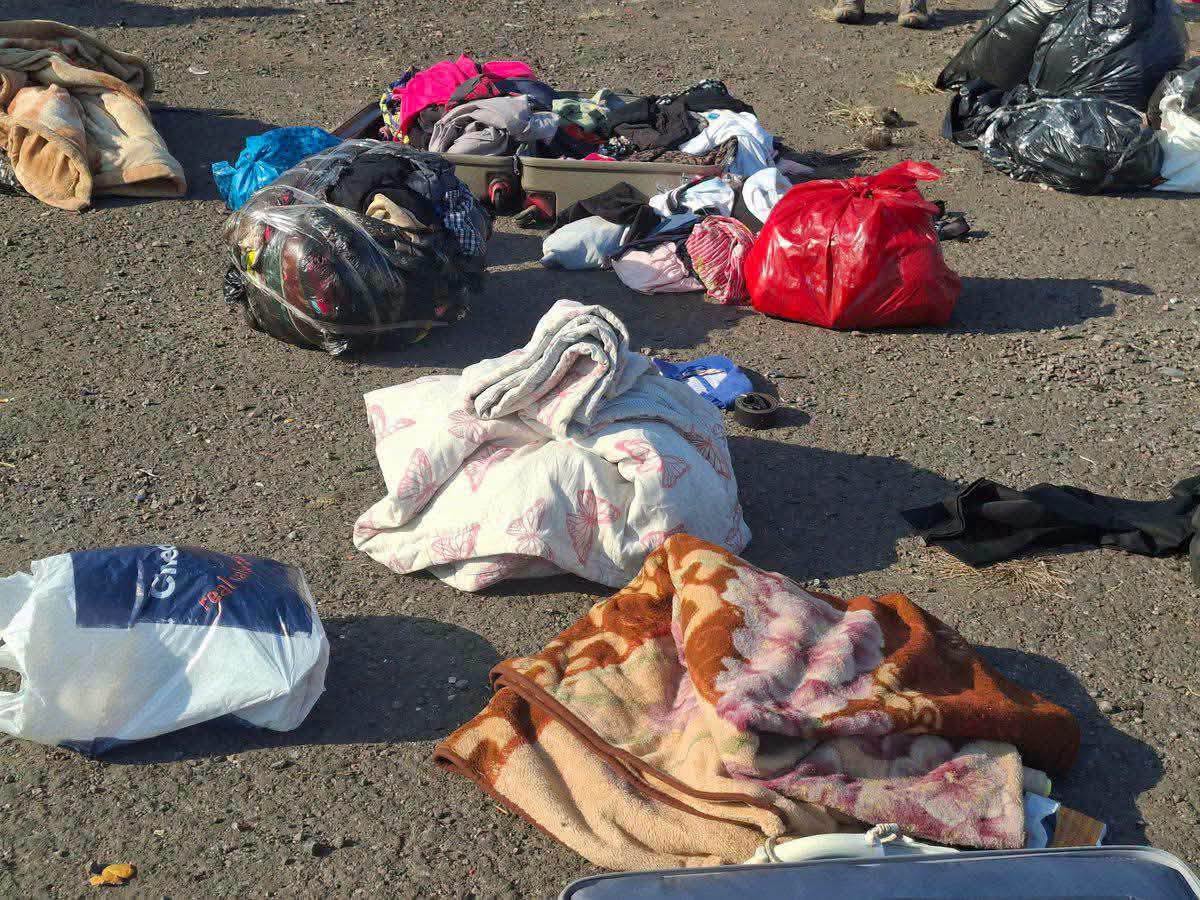
The reported restriction meant that many people had to abandon furniture, household appliances, mattresses, clothing, children’s toys and other personal possessions that had accumulated during their stay at the site.
Images and videos circulating online have shown piles of belongings left behind as the eThekwini Municipality began cleaning and rehabilitating the property following the closure of the camp.
While the relocation marks the end of one chapter for hundreds of foreign nationals, it has also reignited debate about immigration, humanitarian responsibilities and how large-scale relocations should be managed.
Why Were People Living at the Old Drive-In Site?
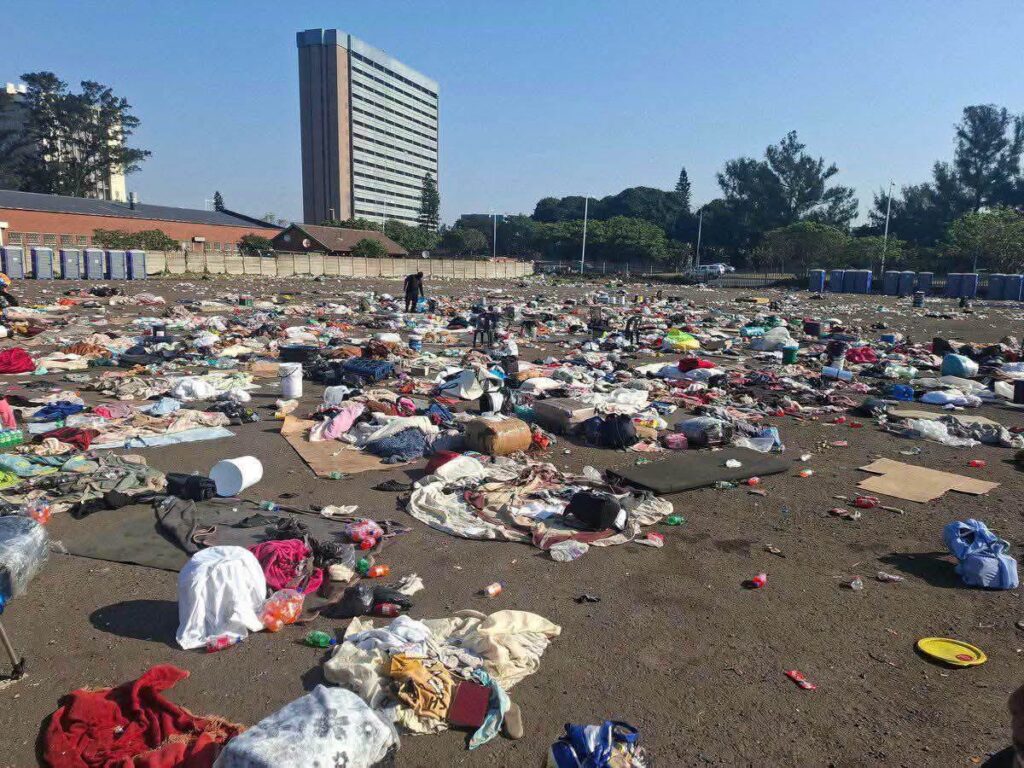
The Old Drive-In site in Durban became a temporary place of refuge for groups of foreign nationals who had been displaced under various circumstances.
Many of those staying there had previously been relocated from other temporary accommodation facilities after periods of unrest, displacement or immigration-related interventions.
Over time, the site developed into a makeshift community, with families living there for months while awaiting decisions about their future.
Although intended as a temporary solution, many residents established routines, created living spaces and accumulated household items that made day-to-day life more manageable.
As months turned into years for some occupants, the temporary settlement gradually resembled a small community rather than an emergency shelter.
The One-Bag Restriction
One of the biggest talking points surrounding the relocation has been reports that passengers were instructed to bring only one bag onto the buses travelling to Musina.
Officials reportedly imposed the restriction because of limited luggage space available on the transport vehicles.
While such limitations are common during large-scale transport operations, the decision reportedly meant many residents had to make painful choices about what to take with them and what to leave behind.
For many families, this meant choosing between essential clothing, important documents, sentimental possessions and basic household items.
Furniture, beds, cupboards, cooking equipment and larger belongings simply could not fit onto the buses.
As the buses departed, many possessions reportedly remained scattered across the site awaiting municipal clean-up operations.
Emotional Impact on Families
Although immigration enforcement focuses on legal processes, the human impact of relocation cannot be ignored.
For many displaced families, even modest household possessions represent years of saving and rebuilding after previous hardships.
Items such as mattresses, wardrobes, school supplies, children’s toys and kitchen equipment often carry both financial and emotional value.
Leaving them behind can mean starting over once again.
Children are often among those most affected during sudden relocations, particularly when they must leave familiar surroundings and personal belongings with little opportunity to prepare.
Humanitarian organisations have long noted that displacement affects not only people’s physical security but also their emotional wellbeing and sense of stability.
Why Were They Taken to Musina?
Musina, located in Limpopo near South Africa’s border with Zimbabwe, frequently serves as a processing point for immigration-related matters.
Authorities have confirmed that those transported from Durban will undergo further processing there as part of ongoing repatriation arrangements.
Processing may include verifying identities, reviewing immigration documentation and determining each individual’s legal status before any further decisions are made.
Not everyone undergoing processing necessarily receives the same outcome, as each case depends on individual circumstances and applicable immigration laws.
Closure of the Durban Facility
The relocation also signals the official closure of the Old Drive-In site.
According to reports, the eThekwini Municipality has begun clearing the property and carrying out rehabilitation work.
Temporary shelters often require significant restoration once vacated, particularly after accommodating large numbers of people over an extended period.
Municipal officials are expected to restore the site for future public use while removing temporary structures and waste left behind.
The closure marks the end of a chapter that had become a visible symbol of one of Durban’s most complex humanitarian and immigration challenges.
Public Reaction Divided
As news of the relocation spread, South Africans expressed sharply different opinions across social media platforms.
Some argued that government authorities were simply enforcing immigration laws and managing limited public resources responsibly.
Others questioned whether families should have been given more time or assistance to transport their belongings.
Several commentators suggested that additional trucks could have been arranged for furniture and household goods.
Others believed that the process should have included humanitarian organisations capable of helping residents relocate their possessions.
At the same time, many South Africans pointed to the financial pressures faced by municipalities, arguing that authorities must balance humanitarian concerns with budget limitations and legal obligations.
The Challenge of Balancing Law and Humanity
Immigration enforcement remains one of the most sensitive public policy issues in South Africa.
Government has a legal responsibility to enforce immigration laws while also respecting constitutional rights and international humanitarian obligations.
Large-scale relocations are rarely straightforward.
Authorities must consider public safety, transport logistics, available funding, legal processes and the welfare of those affected.
Even when decisions comply with legal requirements, they can still have significant human consequences for individuals and families.
This is why immigration operations often attract strong public reactions from people with differing views on how they should be conducted.
Could the Relocation Have Been Handled Differently?
One question dominating public discussion is whether alternative arrangements could have reduced the hardship experienced by residents.
Some observers believe additional transport vehicles or cargo trucks could have been provided to carry household belongings.
Others argue that phased departures over several days may have allowed families more time to organise their possessions.
Humanitarian organisations have also previously highlighted the value of involving aid agencies in relocation exercises to provide logistical and emotional support.
However, without detailed information about operational constraints, available resources and security considerations, it is difficult to determine what alternatives were realistically available.
What Happens Next?
The foreign nationals transported to Musina are expected to undergo further processing before authorities determine the next steps in each individual case.
Meanwhile, municipal teams continue clearing the former Durban Drive-In site as rehabilitation work gets underway.
The images of abandoned belongings have become a powerful symbol of the difficult choices many displaced families face during relocation.
Whether viewed through the lens of immigration enforcement, humanitarian assistance or public administration, the situation highlights the complex challenges governments encounter when managing large groups of displaced people.
As South Africa continues addressing migration, border management and humanitarian concerns, the events surrounding the closure of the Old Drive-In site are likely to remain part of the broader national conversation about how best to balance the rule of law with compassion for those affected.
For now, many questions remain, and the story continues to generate debate across the country. While opinions differ sharply, there is broad agreement on one point: relocations of this scale are never simple, and the human impact is often felt long after the buses have departed.